Summary of our 2024 presenters
Block I | Methods
Dylan Steinecke | University of California Los Angeles
Two Novel, Unbiased, Sibling-Based Methods Greatly Increase Precision of Heritability Estimates and Quantify Gene-Environment Interactions
Yuchang Wu | University of Wisconsin-Madison
Quantifying Genetic Effect Heterogeneity Across Ancestral Populations
Mahdi Mir | University of California Los Angeles
Low Quality Genotype Data is Not Appropriate for Family-Based Analyses
Titus Galama | University of Southern California
The Economics and Econometrics of Gene–Environment Interplay
Dhruva Jaishankar | University of California Los Angeles
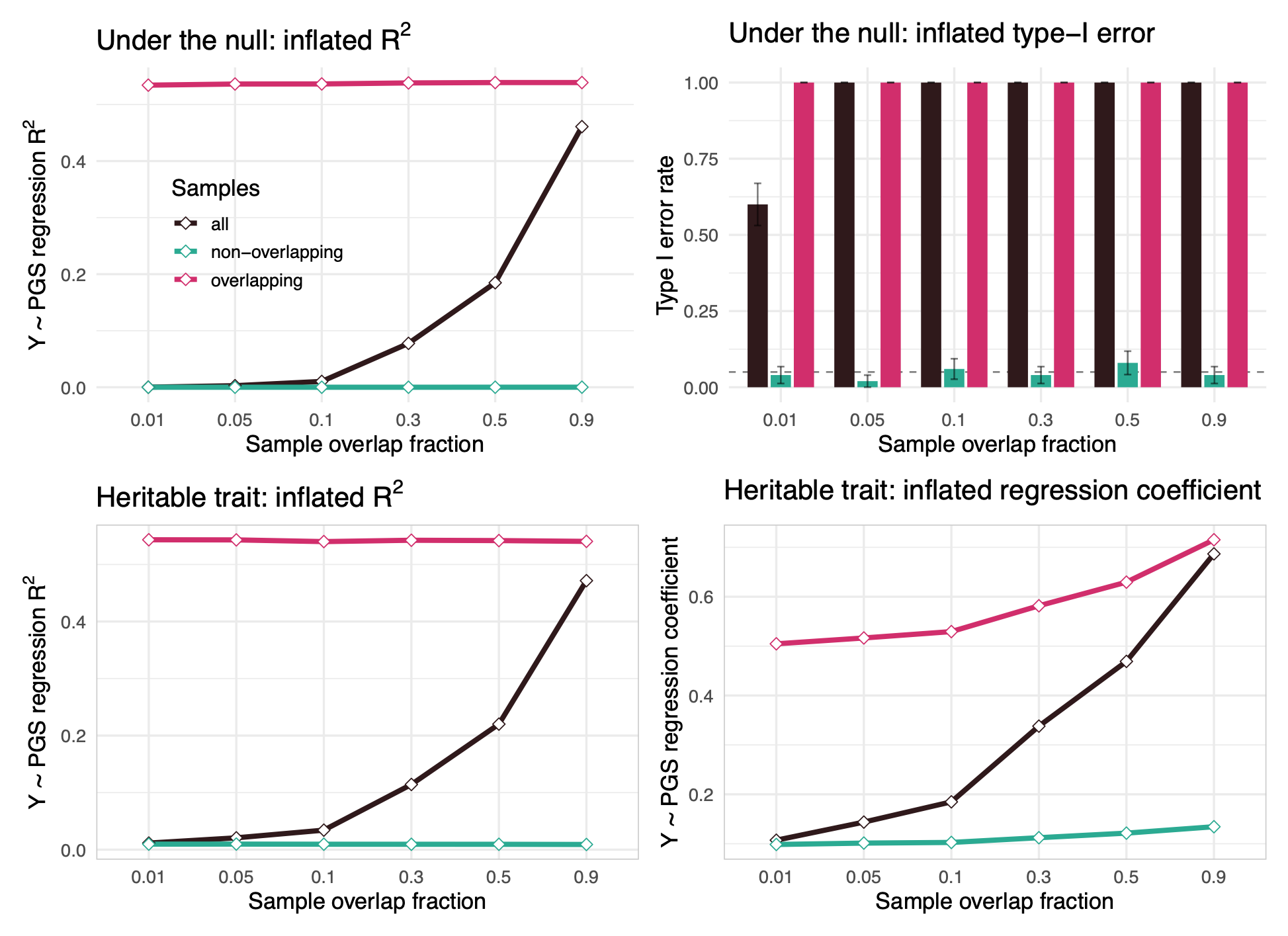
Genomic-Relatedness Matched Association Studies Increase Diversity, Reduce Bias, and Increase Power Relative to Population GWAS
Audrey L Kelly | University of North Carolina
The Effects of Missing Data on Calculations of Methylation Array-Based Biological Age
Evelina T Akimova | Purdue University
The Hidden Power of Vertical Pleiotropy Instrumental Variable GWAS (IV-GWAS) Approach
Rafael Geurgas | Purdue University
Controlling for Genetic Confounding Using Spatial Regression Models
Robel Alemu | University of California Los Angeles
Examining the Relative Predictive Accuracy of Polygenic Indexes (PGIs) Across Genetically Inferred Ancestral Populations
Block II | Flash Talks I
Hantao Jiang | University of North Carolina at Chapel Hill
Family Instability and Biological Aging
Matthew Howell | University of California Los Angeles
Using Offspring to Estimate Trajectories of Assortative Mating
Tim Wienand | Erasmus University Rotterdam | Tinbergen Institute
Genetic and Environmental Contributions to Socioeconomic Inequality in the Netherlands – A Longitudinal Perspective
Jennifer M.P. Woo | University of Wisconsin – Milwaukee | National Institute of Environmental Health Sciences
Patterns of Early Life Trauma and Adult Epigenome-Wide and NR3C1-Specific DNA Methylation in the Sister Study Cohort
Qiyuan Peng | University of Oslo
Parental Influence on Children’s Educational Achievements: Analyzing Direct and Indirect Genetic Effects through Trio-GCTA
Tiffany Liu | Princeton University
Gender Differences and Genetic Heterogeneity in Physical Health After Spousal Loss
Block III | Genetics I
Giorgia Mezzetti | University of Bologna
The role of Gene-Environment Interaction in the Gender Wage Gap
Nicolau Martin-Bassols | University of Bologna
Examining the Health Legacy of the NHS: Short- and Long-Term Effects on Infant Mortality and Adult Health Outcomes
Qiongshi Lu | University of Wisconsin-Madison
Genetic Basis of Partner Choice
Marina Aguiar-Palma | Vrije Universiteit
Intergenerational Effects of Dementia Risk and Onset on Labor Market Outcomes, Income and Wealth
Lyydia Alajääskö | Vrije Universiteit
Shining Light on the Black Box of Child Development: Indirect Genetic Effects and Parental Investments
Dilnoza Muslimova | Erasmus University Rotterdam
Gender Inequalities and Public Policies
Block IV | Genetics II
Tamkinat Rauf | University of Wisconsin-Madison
How is rGE for Depression Generated? Evidence from a Natural Experiment
Joakim Ebeltoft | University of Oslo
Triangulating Approaches to Evaluate the Genetic and Environmental Composition of Socioeconomic Status
Sam Trejo | Princeton University
DNA Reveals the Growing Ancestral Diversity of the United States
Luyin Zhang | Princeton University
DNA, Self-Reported Ancestry, and Social Scientific Inquiry
Ryan Fraser | University of Michigan
Investigating the Genetic and Environmental Influences on Income Across Time, Place, and Population using US Census Data
Vincent Straub | University of Oxford and Nuffield College
Genetics of 44 Female and Male Reproductive Traits and Their Relationship with Health, Longevity and Consequences for Offspring
Block V | Flash Talks II
Rosa Cheesman | Oslo University
Genetic Associations with Educational fields in >460,000 Individuals
Seoyoun Kim | Texas State University
Formal and Informal Volunteering on Epigenetic Aging: Longitudinal Evidence from the Health and Retirement Study
Rafael Ahlskog | Uppsala University
Genes by Environment and Political Leanings
Farizah I. Rob | Columbia University
Social relationships and epigenetic immune aging in early midlife: Evidence from the National Longitudinal Study of Adolescent to Adult Health
Beza Taddess | Princeton University
Genetic Ancestry, Racialization, and the Perceived Attractiveness of U.S. Black and Hispanic Populations
Block VI | Epigenetics
Sarah M. Merrill | University of Massachusetts
The Molecular Implications of Improving Parent-Child Interactions in Early Life: DNA Methylation Differences with Participation in Evidence-Based Parenting Interventions
Dalton Conley | Princeton University
Do Children Age Their Parents? Evidence from the Health and Retirement Study
Giorgia Menta | Luxembourg Institute of Socio-Economic Research
DNA Methylation Surrogates of Cognitive and Non-Cognitive Development in Childhood and Adolescence
Aarti C. Bhat | Pennsylvania State University
Grandparent Caregiving and Epigenetic Aging among Midlife and Older Adults in the United States
Pietro Biroli | University of Bologna
Biological Aging and Economic Outcomes